Unattended Death Cleanup
Cleanup after an undiscovered death includes odor control and the effects of days of decomposition.
See unattended death cleanupGet bodily fluids, affected materials and odor removed from a home, apartment, rental or business in Plaza Hills after officials release the property. The scope depends on how long the person was there and which materials were reached.
Death cleanup is the careful removal of bodily fluids, contaminated materials and odor from a home, apartment, vehicle or business after a person dies. These scene cleanup services may also be called after death cleaning, post death cleanup, death scene cleaning or biohazard cleanup after death.
Officials complete their duties before the property can be cleaned. Removing the deceased is the role of the medical examiner or coroner. Law enforcement gathers any evidence required for an investigation. After the scene is released, cleaning can be arranged by an authorized representative, landlord, family member or property owner.
The work is different from ordinary house cleaning. Death cleanup involves locating affected areas, setting containment, wearing protective equipment and removing porous materials that cannot be disinfected. Remaining surfaces are cleaned and treated with an EPA-registered disinfectant for the full label contact time. Sealed hazardous waste is then taken for treatment under applicable rules.

You or a trusted representative can identify keepsakes and important documents. Keep uncontaminated property apart from affected items while each belonging is reviewed carefully.
Before you approve the scope, confirm the affected rooms, materials that may stay, items requiring removal and the point when restoration may start.
An insurance claim may be supported by photographs, a property list, records of waste and the cleanup scope. Ask the insurer which records are required and who may authorize the work so you can move forward.
Crews can arrive in unmarked vehicles while keeping their work routes controlled. Before cleanup starts, ask which route will be used to carry equipment and sealed waste across the property.
A property may need after death cleaning whenever decomposition or bodily fluids have affected it. The extent varies with the materials reached and the time before the person was discovered. For trauma cleanup or suicide cleanup, law enforcement may need to coordinate further before releasing the space.
Even when family or medical staff were present, a bed, chair, carpet or nearby hard surfaces may need blood cleanup, disinfection and careful removal of affected materials.
An apartment, hotel or rental home may require coordination among the family, property owner, insurer and property manager before personal property is moved.
A death can affect a car, office, warehouse or other setting. Surface testing, containment, waste disposal and restoration plans are tailored to each property.
When a person is found later, fluids and odor may reach surrounding areas, furniture, walls, subfloor and flooring. The area needs a broader inspection before cleanup starts.
Your first steps should limit exposure and preserve access for officials and insurance documentation. You do not need to inspect the room yourself.
Call (888) 440-9227Published cost guides show many unattended death cleanups ranging from $2,000 to $7,000. For a recent case confined to a limited area, they show $2,000 to $5,000. The final scope reflects elapsed time, material impact, waste volume and odor work. If a person is discovered after one to two weeks, the cost may be $8,000 to $18,000.
These national ranges are taken from published cost guides, rather than a property visit. You learn what your property will cost after the on-site assessment and before any work begins.
Ask about cost: (888) 440-9227Death cleanup may be covered by homeowners, commercial property or renters insurance if the event qualifies as a covered loss under the policy. Because documentation rules, coverage and deductibles differ, the policyholder should discuss the individual claim with the insurer.
Victims of violent crime can ask the North Carolina Department of Public Safety's Office of Victim Compensation Services about crime scene cleanup, which the program lists among accepted expenses. Insurance is usually checked first.
Check which photographs, property lists, cleanup files and waste records the claim requires. Do not risk entering the room only to photograph conditions. Cleanup technicians may document the affected space safely.
Call the claims number and ask about biohazard remediation, contaminated building materials, personal property and restoration. Record how to reach the adjuster and retain the claim number.
Responsibility may be shaped by local requirements, insurance terms, the affected area and the lease. A landlord or property manager should coordinate with the family and relevant insurance companies.
The death cleanup process uses a controlled progression, beginning with assessment and ending with a final check. Documentation continues through every stage, helping limit cross-contamination and establish what can remain for the whole process.
After confirming scene release, technicians talk with the person authorized to act and inspect apparent contamination plus likely hidden affected areas. Photographs may record the conditions for your insurance company.
A separation is created between clean spaces and the work zone. Suitable protective equipment and a controlled path are used, with air filtration set up when needed for the conditions.
You help decide how papers, keepsakes, furnishings and clothing are sorted. Anything from beyond the affected area can be separated, but uncertain belongings require further assessment.
When full disinfection cannot be achieved, affected padding, carpet, bedding, upholstery, wallboard or subfloor is taken out in sequence and sealed before disposal.
Hard surfaces are cleaned before disinfection. An EPA-registered disinfectant is applied for its full contact time, because wiping it away too early can reduce its effectiveness.
The odor source must be removed before treatment can start. Methods such as hydroxyl treatment and HEPA air scrubbers may be selected according to how the room is occupied and its conditions.
For disposal under relevant rules, sealed contaminated materials are moved out through the established path. Technicians inspect the treated spaces and may prepare cleanup records to support the insurance file.
Removed flooring, cabinets, trim and drywall can be replaced through restoration services when remediation is finished. Cleaning and rebuilding are treated as distinct work scopes.
Phone any hour. You speak with a death cleanup specialist who outlines the process and schedules a start time with you.
Bloodborne pathogens, contaminated porous items, bacteria and odor compounds in the air can remain in an affected room. These materials may present serious health risks, with contamination spreading farther than visible signs suggest.
Once removed, materials such as drywall, bedding and carpet may be subject to rules for packaging, treatment and transportation. Those materials do not belong in ordinary garbage or a communal dumpster.
Carpet and pad may let fluid reach the subfloor, while floor seams can carry it behind baseboards. Odor and contamination may remain when only surfaces you can see are cleaned.
Entering the place where someone died can be deeply upsetting. Consider having cleanup technicians meet someone you trust to inspect personal property on your behalf.
Can you clean it yourself? For a minor fresh blood spot on material that is sealed and non-porous, wear gloves and keep an EPA-registered disinfectant in place throughout its labeled contact time. Do not enter if fluid affected unfinished wood, carpeting, bedding, drywall or an area unsafe to inspect. Arrange professional cleanup.
Death cleanup may last from one day for a contained recent area of limited size to several days when odor has traveled or fluids have reached the structure. Assessment findings, materials that need removal, and required air treatment or drying set the schedule.
| Scene | Typical time on site |
|---|---|
| Recent death, limited hard surfaces | Completion may take about a day |
| Porous materials removed from a single room | Often takes one to three days |
| Multiple affected areas or removal of structural material | Work may require several days before restoration |
Death odor removal begins with locating and removing every affected material. Fragrance, paint and surface sprays can mask odor for a short time, but they do not remove fluids below carpet, flooring, drywall or furniture. The source must be corrected before air treatment can work.
Cleaning and source removal come before HEPA air scrubbers are used to capture particles from the air. In an appropriate occupied setting, hydroxyl treatment may be used. Ozone must be carefully operated in an empty and controlled space. The cleanup team can check nearby rooms and vents when air movement may have carried odor outside the original location.
The OSHA Bloodborne Pathogens Standard, 29 CFR 1910.1030, sets requirements for exposure controls, protective equipment, training and work practices when employees may contact blood.
For blood or bodily fluids, use an EPA-registered disinfectant on a compatible material and leave it for all of the label contact time.
North Carolina treats soaked materials from a biohazard scene as medical waste. Rules from the state Department of Environmental Quality's Solid Waste Section control how it is packaged, stored, transported and treated, so it cannot go in household trash.
North Carolina uses a statewide medical examiner system run by the Office of the Chief Medical Examiner, with county medical examiners appointed in each county. Cleanup starts after police or the medical examiner or coroner release the scene.
The full death cleanup guide covers what is cleaned or removed, odor and air quality work, and the rules that apply in Mecklenburg County.
Read the full death cleanup guide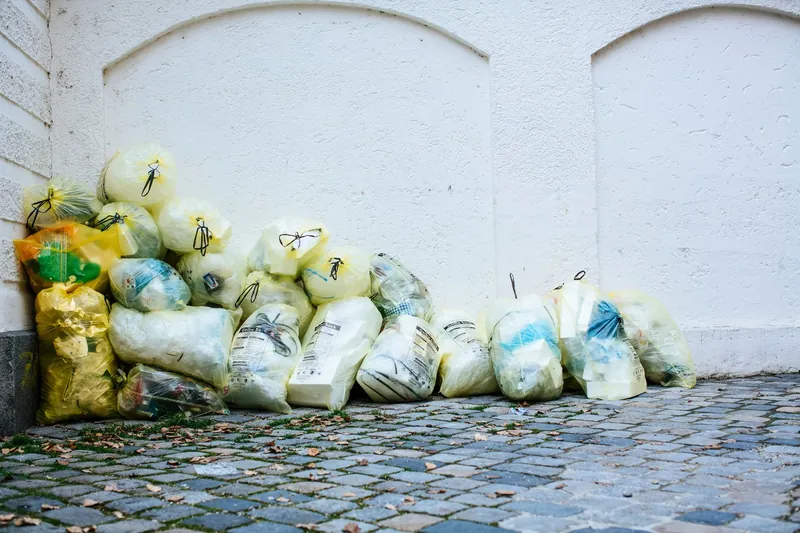
Containment, entry and cleanup plans can be influenced by local housing, population and access details.
At roughly 1.8 miles away, Novant Health Matthews Medical Center is the closest listed hospital for urgent care after a cut, puncture, or exposure.
Travel from Villa Heights, Plaza Shamrock, or NoDa may lead through the same area, so private staging should stay close to the affected property.
In Plaza Hills, identifying the correct building entrance can reduce unnecessary movement through shared spaces during a sensitive cleanup.
You can ask about cleanup in nearby communities and ZIP codes during the call.
Cleanup after an undiscovered death includes odor control and the effects of days of decomposition.
See unattended death cleanup
Cleanup following a quickly discovered death treats the family home with care.
See attended death cleanup
Floors, underlying subfloors and furniture are cleared of decomposition fluids.
See decomposition cleanup
At the source, death odor removal uses air scrubbers plus hydroxyl and ozone treatment.
See death odor removal
Estate cleanout after a death, with sorting of belongings and safe removal.
See estate cleanout after a death
Blood cleanup clears blood from furniture, walls, hard floors and carpet, followed by safe disposal.
See blood cleanup
Trauma scene cleanup after accidents, injuries and violent events.
See trauma scene cleanup
Biological remediation that removes contamination and returns a space to safe use.
See biohazard remediationBloodborne pathogens can remain in some bodily fluids or blood even if those materials are dried. Hidden contamination can also stay within porous items. Avoid direct contact, keep children and pets away, and do not use a household vacuum or mop in an affected area.
Your first step is confirmation that officials released the property. When bodily fluids are involved, finish biohazard cleanup prior to sorting spaces or moving personal items. Request separation between keepsakes that are unaffected and items with contamination. Once the affected area is remediated, an estate cleanout can address furniture, clothing, papers and other contents that are not a biohazard.
Although the coroner or medical examiner takes the deceased, property cleanup is not performed by that office. Once officials release the scene, death cleanup is arranged by the owner, a family member, the landlord or another authorized person. Cleanup technicians can take out affected materials and bodily fluids, disinfect accessible surfaces, address odor and prepare documentation for an insurance claim.
Wait for authorized release before going into the affected area. Assessment and containment begin professional unattended death cleanup. Afterward, cleanup technicians take out affected material, clean and disinfect retained surfaces, address the odor source and seal contaminated waste for disposal. Household cleaning methods are inadequate if bodily fluids entered porous material.
Published guides place many unattended death cleanup cases between $2,000 and $7,000. A recent case with a small affected area may cost less than an advanced situation involving furnishings, walls, subflooring or substantial odor treatment. An assessment needs to define the affected items, waste quantity and restoration work prior to your approval of the scope.
A small, recent and contained area may take about one day. The work may last several days after fluids reach furniture, drywall, the subfloor, carpet padding or surrounding rooms. Restoration and treatment of odors have their own timelines. The sequence of work and conditions required for reoccupancy should be explained during the first assessment.
Crews carry out respectful, discreet death cleanup, arrive in unmarked vehicles and take calls 24 hours a day.